

In international shipping, the process of goods from the shipper to the consignee is roughly divided into seven steps, and each step will generate corresponding costs, which are usually paid by the shipper or the consignee. If you want to avoid unexpected costs and unnecessary delays in the supply chain, you must understand these seven steps. What are the specific steps? The following editor will explain them.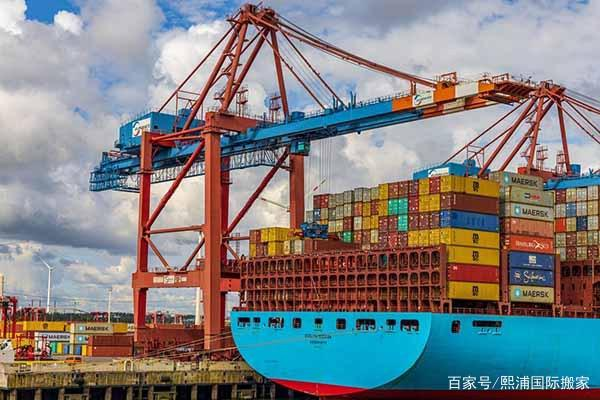
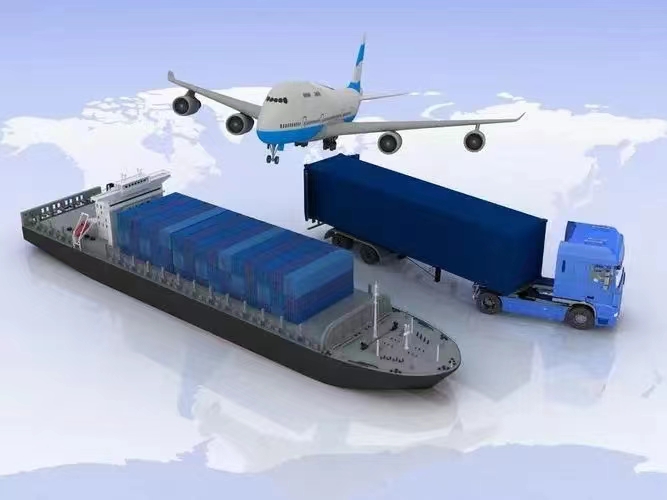
The seven steps of international maritime transportation are divided into export haulage, origin processing, export customs declaration, maritime transportation, import customs clearance, destination processing and import transportation.
1. Export haulage
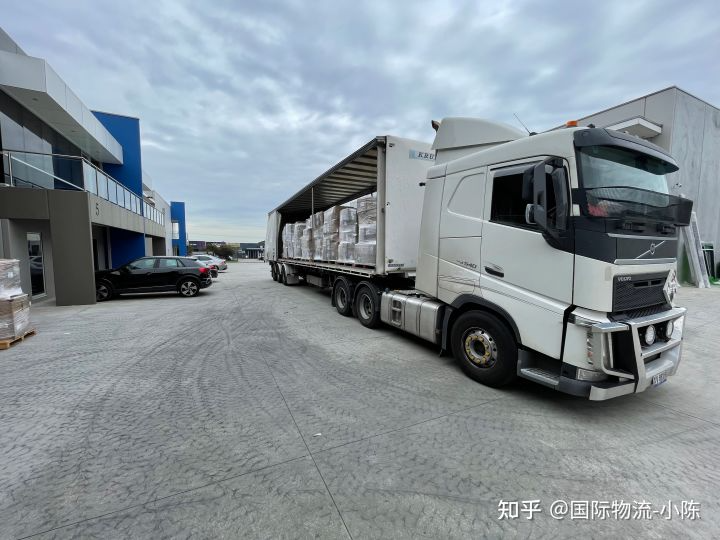
The first step of international shipping is export haulage, which involves the transfer of goods from the shipper to the freight forwarder's premises. For the goods with small volume, the freight forwarder will choose to transport them to the export Consolidation Center (warehouse of origin) for centralized shipment. Generally, road (by truck), railway or combination transportation will be selected for export haulage. As for the cost, it is generally paid by the shipper, but it can also be paid by the consignee through negotiation.
2. Export declaration
For each cargo that is about to leave the country, relevant formalities shall be handled to meet the regulatory requirements. Customs declaration is a process of making declaration and submitting required documents to the customs. It can only be carried out by companies with customs declaration qualification and approved by the Customs (i.e. the so-called customs broker).
Export customs declaration can be completed by a freight agent with customs declaration qualification, or by a customs broker directly designated by the shipper. The customs broker does not necessarily participate in any other part of the sea transportation process. Export customs declaration must be completed before the goods leave the country. If it is not completed by the freight forwarder, it usually needs to be completed before the goods enter the warehouse of origin of the freight forwarder.
3. Origin treatment
The origin processing includes the physical processing and inspection of all goods from receiving goods at the origin warehouse to loading. Although a lot of work is involved, the freight forwarders are responsible for the coordination. In short, after receiving the goods, the freight forwarder will inspect them (tally), plan to load them, merge them with other goods, load them into containers and transport them to the export port, and then load them onto the ship. In these processes, the costs incurred shall be paid by the shipper or the consignee.
4. Shipping
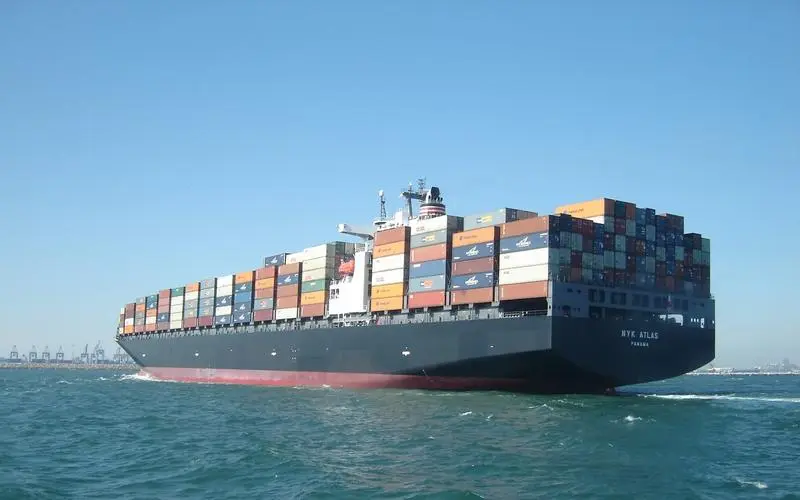
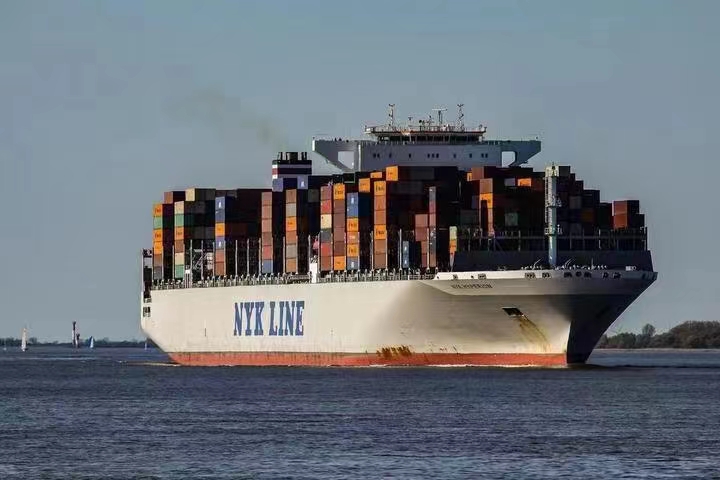
In this link, the freight forwarder signs the container transportation contract with the shipping company. In this case, the shipper or the consignee cannot directly contact the shipping company. As for sea freight, it is borne by the shipper or consignee. However, it should be noted that this includes various surcharges, such as fuel surcharges, currency depreciation surcharges, etc., which are all borne by the shipper or consignee.
5. Import customs clearance
Import customs clearance usually begins before the goods arrive in the destination country. The import customs clearance shall be handled by the customs broker designated by the freight forwarder or the consignee, and the declaration form shall be prepared, and the declaration form shall be submitted to the local Customs together with the relevant documents, and the formalities specified by the customs shall be handled. In general, import customs clearance procedures must be completed before the goods leave the bonded area of the destination country.
6. Destination processing
The goods also need to be processed in the destination country before they can be released to the consignee. Destination processing includes the transfer of containers from ship to shore, and from port to freight forwarder's warehouse in the destination country. It also includes container unloading and cargo preparation for the consignee to pick up. Note: generally, the goods can only be received after all the expenses have been paid. As for the payer of the expenses, it can be the shipper or the consignee.
7. Import transportation
The last step in international shipping is to deliver the goods to the consignee. Generally speaking, the transportation company designated by the freight forwarder or the consignee will transport the goods from the freight forwarder's warehouse to the designated receiving address, but the specific unloading is completed by the consignee. Of course, you can also pay extra fees for freight forwarders or transportation companies to operate.
In the above seven steps, there are mainly four participants: Shipper, consignee, freight forwarder and shipping company. The shipping company is responsible for shipping, and the shipper or the consignee cannot contact with it, while the freight forwarder is the logistics supplier with which the shipper or the consignee mainly deals. Therefore, when carrying out international shipping of goods, we must choose a well-known, reliable and professional freight forwarder.